




پرینتر سه بعدی فلزی به عنوان یکی از پیشرفتهترین ابزارهای ساخت افزایشی، تحولی بنیادین در متالورژی مدرن و صنایع سنگین ایجاد کرده است. این فناوری انقلابی با بهرهگیری از تکنیکهای چاپ سه بعدی فلز، امکان ساخت قطعات پیچیده صنعتی را با بالاترین دقت و کمترین ضایعات فراهم میسازد.
سالهاست که طراحان صنعتی و مهندسان مواد درگیر یک چالش بزرگ هستند: ساخت قطعاتی با هندسههای بسیار پیچیده که تولید آنها با روشهای سنتیِ کاهشی مثل ریختهگری یا ماشینکاری و تراشکاری سیانسی عملاً غیرممکن یا بیش از حد هزینهبر است. در پاسخ به این چالش، انواع چاپگر سه بعدی فلزات وارد میدان شدهاند تا با تغییر پارادایم تولید، مرزهای ناممکن را در صنایع مادر جابهجا کنند. در این مقاله، از زاویههای مختلف علمی و کاربردی به بررسی تخصصی عملکرد این فناوری، انواع روشهای کارکرد آن، آلیاژهای قابل پرینت و معیارهای انتخاب بهترین راهکار برای پروژههای صنعتی میپردازیم.
چاپگر سه بعدی فلزات چیست و چگونه کار میکند؟
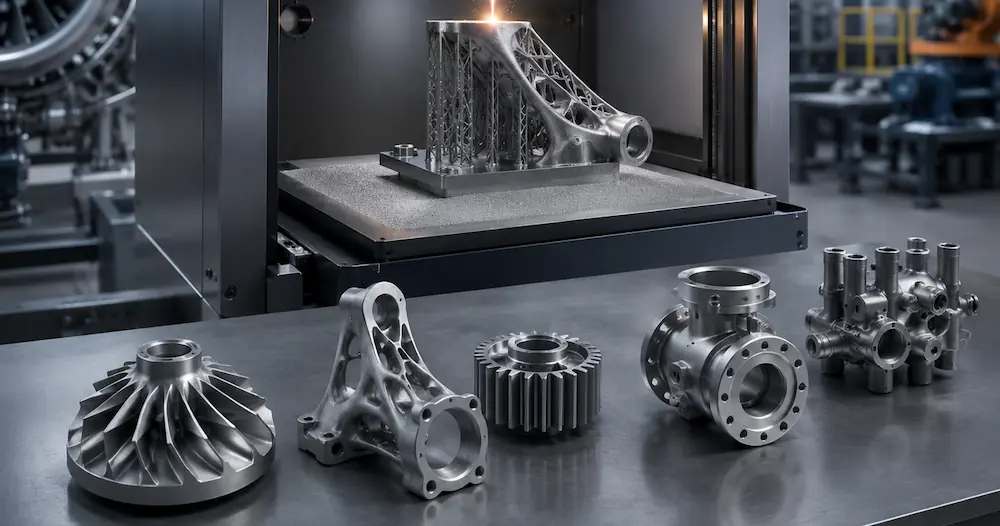
در سادهترین تعریف، پرینتر سه بعدی فلزی دستگاهی است که به جای روشهای سنتی، با استفاده از یک منبع حرارتی با انرژی بالا مانند لیزر یا قوس الکتریکی، پودر یا سیم فلزی را ذوب کرده و قطعات را بهصورت لایهبهلایه از روی یک مدل سه بعدی دیجیتال میسازد.
این روش برخلاف روشهای سنتیِ کاهشی مانند تراشکاری که در آن با تراش دادن یک بلوک فلزی بزرگ و ایجاد ضایعات زیاد به قطعه نهایی میرسیم، یک فرآیند افزایشی است؛ یعنی قطعه دقیقاً از نقطه صفر و با اضافه شدن لایههای میکرونی متریال ساخته میشود.
اهمیت استفاده از پرینتر سه بعدی فلزی در صنعت
ورود فناوری ساخت افزایشی فلزات به دنیای تولید، صرفاً معرفی یک دستگاه جدید نبود؛ بلکه یک تغییر پارادایم تمامعیار در مهندسی ساخت به شمار میرود. صنایع پیشرو و استراتژیک جهان به این دلیل به سراغ پرینترهای سهبعدی فلزی آمدهاند که این فناوری چالشهایی را حل میکند که پیش از این هیچ راهکار مهندسی دیگری برای آنها وجود نداشت. کلیدیترین دلایل اهمیت این فناوری در صنایع مدرن عبارتند از:
۱. آزادی بیمرز در طراحی و بهینهسازی توپولوژی
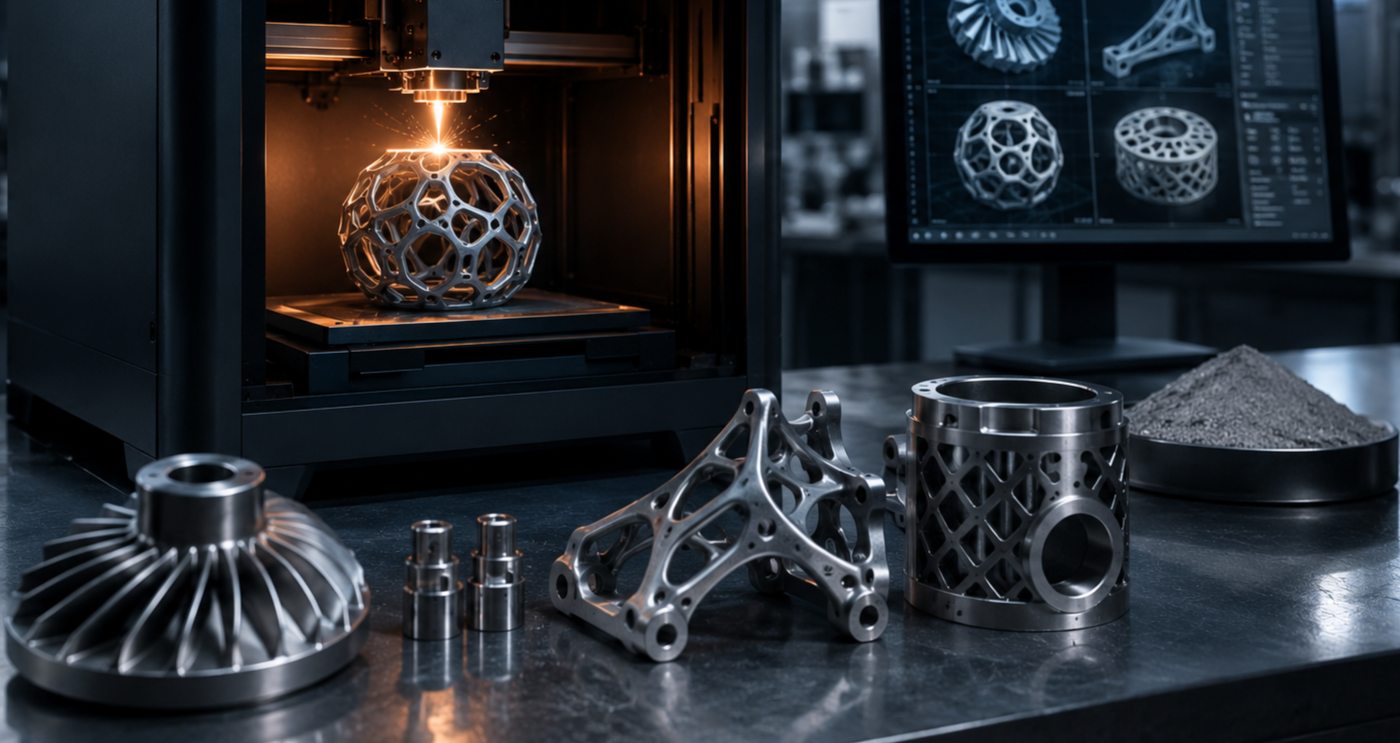
در روشهای سنتی، طراح همواره باید محدودیتهای ابزارهای برشی سیانسی یا کانالهای خروجی قالب ریختهگری را در نظر میگرفت. پرینتر سه بعدی فلزی این محدودیتها را به طور کامل حذف میکند. اکنون میتوان قطعاتی با مجراهای خنککاری داخلی پیچیده مانند پرههای توربین با کانالهای خنککننده منحنی یا سازههای مشبک تولید کرد که همزمان بسیار سبکتر و مستحکمتر از نمونههای سنتی هستند.
۲. کاهش چشمگیر هدررفت مواد اولیه گرانقیمت
در صنایعی مانند هوافضا و نیروگاهی که از سوپرآلیاژهای بسیار گرانقیمت مانند آلیاژهای تیتانیوم، اینکونل و کبالت-کروم استفاده میشود، نسبت ماده خام اولیه به قطعه نهایی اهمیت حیاتی دارد. در ماشینکاری سنتی، گاهی تا ۹۰ درصد یک بلوک آلیاژی گرانقیمت تراش داده شده و به ضایعات تبدیل میشود. اما پرینتر سهبعدی فلزی قطعه را دقیقاً به شکل نهایی میسازد و هدررفت مواد را به نزدیک صفر میرساند.
۳. کوتاه شدن زنجیره تامین و تولید بدون قالب
برای ساخت یک قطعه فلزی به روش ریختهگری، ابتدا باید فرآیند طولانی و پرهزینه طراحی و ساخت قالب انجام شود که برای قطعات تکنسخه یا تیراژ پایین کاملاً غیراقتصادی است. چاپ سهبعدی فلز نیاز به هرگونه قالب، فیکسچر یا ابزارسازی واسط را حذف میکند. شما میتوانید فایل مدل دیجیتال را مستقیماً به دستگاه بفرستید و قطعه نهایی را در چند روز تحویل بگیرید؛ امری که زمان توسعه محصول را تا ۸۰ درصد کاهش میدهد.
۴. امکان بازسازی و ارتقای قطعات فرسوده و گرانقیمت
یکی از بزرگترین دغدغههای صنایع نفت، گاز و نیروگاهی، استهلاک و فرسودگی قطعات دوار سنگین و گرانقیمت است. تعویض این قطعات بسیار هزینهبر و گاه به دلیل تحریمها غیرممکن است. فناوریهای خاصی از پرینت سهبعدی فلزی به مهندسان اجازه میدهند تا روی نواحی آسیبدیده یا خوردهشدهی یک قطعه قدیمی، لایههای جدیدی از فلز مقاوم را بنشانند و قطعه را با هزینهای ناچیز، بازسازی کرده و به خط تولید بازگردانند.
به طور خلاصه پرینتر سه بعدی فلزی با تلفیق سه فاکتور «کاهش وزن قطعه»، «به حداقل رساندن ضایعات متریال» و «حذف هزینههای قالبسازی»، فرآیند تولید را از یک گلوگاه پرهزینه به یک مزیت رقابتی تبدیل کرده است.
بررسی تخصصی فناوریهای پرینت سه بعدی فلزی
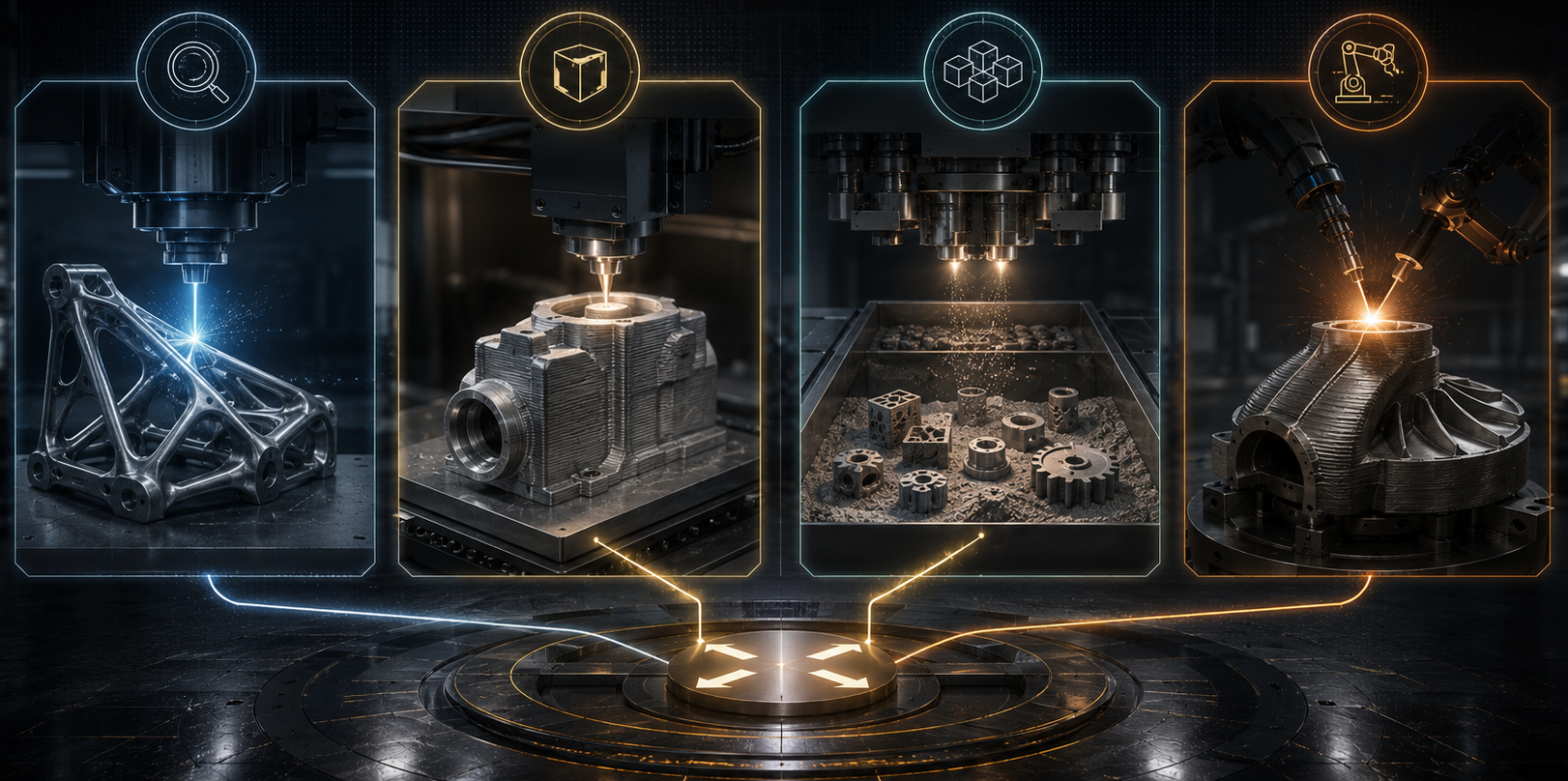
فرآیندهای ساخت افزایشی فلزی بر اساس نحوه تغذیه ماده اولیه و منبع تأمین انرژی حرارتی به چهار فناوری اصلی تقسیم میشوند که درک تفاوت آنها، کلید انتخاب روش مناسب برای هر پروژه صنعتی است:
۱. فناوری Powder Bed Fusion
روش PBF که در بازار با عناوینی مثل ذوب گزینشی با لیزر یا ذوب با پرتو الکترونی شناخته میشود، سنتیترین مسیر برای رسیدن به قطعات مینیاتوری است. در این فناوری، یک پرتو انرژی متمرکز، ذرات یک بستر پودر فلزی بسیار نازک را به صورت موضعی ذوب کرده و لایهبهلایه به یکدیگر پیوند میدهد. خروجی این روش، قطعاتی با بالاترین میزان ظرافت ساختاری، تلرانسهای بسیار دقیق و مجاری داخلی پیچیده است؛ هرچند که ابعاد ساخت در آن معمولاً محدود به قطعات کوچک زیر ۵۰ سانتیمتر باقی میماند.
2. فناوری Directed Energy Deposition
برخلاف روش قبل، تکنولوژی DED برای مقیاسهای بزرگ صنعتی و تعمیرات تخصصی طراحی شده است. در این متد، نازل دستگاه که روی بازوی رباتیک یا سیستمهای حرکتی چندمحوره مستقر است، سیم آلیاژی یا پودر فلز را همزمان با منبع انرژی به نقطه هدف هدایت کرده و متریال را در بدو خروج ذوب و رسوب میدهد. بزرگترین مزیت DED، نرخ رسوبدهی بسیار بالا و قابلیت منحصربهفردِ چاپ بر روی قطعات موجود است که دست مهندسان را برای بازسازی، ارتقا و روکشدهی حرارتی (کلدینگ) تجهیزات گرانقیمت صنایع مادر کاملاً باز میگذارد.
۳. فناوری Binder Jetting
متد BJ را میتوان فرآیند شکلدهی بدون اعمال مستقیم حرارت در فاز چاپ نامید که هدف اصلی آن، رسیدن به سرعت بالا و تیراژهای نیمهانبوه است. عملکرد این فناوری دو مرحلهای است؛ ابتدا هد جوهرافشان مایع چسبنده واسط را روی پودر فلز میپاشد تا ساختار اولیه قطعه شکل بگیرد و سپس، این سازه برای عملیات حرارتی تفجوشی نهایی و حذف چسب به کوره منتقل میشود. حذف منبع لیزر در مرحله چاپ، سرعت لایهنشانی را فوقالعاده بالا برده و هزینه تولید قطعات پیچیده کوچک تا متوسط را به شدت کاهش میدهد.
4. فناوری Material Extrusion
تکنولوژی ME که شباهت ساختاری زیادی به پرینترهای سهبعدی پلیمری دارد، اقتصادیترین و ایمنترین راهکار برای دفاتر طراحی و مراکز کارگاهی است. ماده اولیه در این روش به صورت فیلامنت یا میلههای کامپوزیتی (تلفیقی از پودر فلز و چسبهای مومی) از درون یک نازل حرارتی عبور کرده و شکل کلی قطعه را ایجاد میکند. این قطعه در ادامه یک فرآیند شستشوی شیمیایی و سپس پخت در کوره را پشت سر میگذارد تا به چگالی و خلوص متالورژیکی نهایی برسد و یک نمونه اولیه مهندسی با حداقل هزینه خلق شود.
مقایسه مشخصات فنی و کاربردی فناوریهای پرینت سه بعدی فلزی
فاکتورهای کلیدی انتخاب | PBF / SLM | DED | Binder Jetting | Material Extrusion |
|---|---|---|---|---|
دقت ابعادی و صافی سطح | بسیار بالا (نیاز به پرداخت حداقلی) | متوسط (معمولاً به ماشینکاری نهایی نیاز دارد) | متوسط به بالا (پس از عملیات کوره کمی آبرفت دارد) | متوسط (برای قطعات دقیق، پرداخت نیاز است) |
سرعت تولید (نرخ رسوب) | پایین و زمانبر | بسیار بالا و سریع | فوقالعاده سریع (مناسب تیراژ بالا) | متوسط رو به پایین |
حداکثر ابعاد ساخت | محدود (معمولاً زیر 50 سانتیمتر) | نامحدود (وابسته به بازوی رباتیک یا سیستم CNC) | متوسط (محدود به باکس دستگاه) | کوچک (مناسب ابعاد کارگاهی) |
امکان تعمیر قطعات قدیمی | غیرممکن (فقط ساخت از صفر) | بسیار عالی (تخصصیترین روش برای کلدینگ) | غیرممکن | غیرممکن |
هزینه اولیه راهاندازی | بسیار گرانقیمت | گرانقیمت (بازگشت سرمایه سریع در صنایع مادر) | نسبتاً گران | اقتصادی و بسیار ارزان |
بهترین کاربرد صنعتی | قطعات ظریف پزشکی، هوافضا و آزمایشگاهی | بازسازی قالبها، تجهیزات دوار نفت، گاز و نیروگاهها | تولید انبوه قطعات کوچک غیرحساس | ساخت نمونههای اولیه آزمایشگاهی و قالبهای موقت |
مزایا و معایب پرینتر سه بعدی فلزی؛ تحلیل فرصتها و چالشهای صنعتی
فناوری چاپ سه بعدی فلز پتانسیلهای بینظیری را در اختیار خطوط تولید قرار میدهد؛ اما در مهندسی متالورژی، هیچ راهکاری بدون محدودیت نیست. برای یک انتخاب هوشمندانه، باید مزایا و چالشهای این ابزار ساخت افزایشی را به صورت واقعبینانه در ترازو قرار داد:
مزایای استراتژیک چاپگر سه بعدی فلزات
- ساخت ساختارهای پیچیده و هندسههای ناممکن: امکان تولید قطعاتی با کانالهای خنککاری داخلی منحنی و بهینهسازی توپولوژی که ریختهگری یا ماشینکاری سیانسی آنها عملاً غیرممکن است.
- کاهش چشمگیر ضایعات مواد اولیه: برعکس روشهای کاهشی که بخش زیادی از بلوک فلزی را به براده تبدیل میکنند، در این روش متریالهای گرانقیمت مانند تیتانیوم و سوپرآلیاژها دقیقاً به اندازه حجم قطعه مصرف میشوند.
- سرعت بالا در نمونهسازی و تولید بدون قالب: حذف کامل فرآیند طولانی و پرهزینه قالبسازی؛ کافی است فایل دیجیتال را به دستگاه بفرستید تا قطعه نهایی در چند روز آماده شود.
- سفارشیسازی پیشرفته صنعتی و پزشکی: انعطافپذیری کامل برای تولید قطعات تکنسخه و منحصربهفرد، از ایمپلنتهای ارتوپدی سفارشی گرفته تا قطعات یدکی خاص صنایع مادر.
معایب و چالشهای فنی پرینت سه بعدی فلزی
- هزینه اولیه بالای تجهیزات و مواد اولیه: قیمت پلتفرمهای صنعتی و پودرهای میکرونی متالورژیکی همچنان بالاست (هرچند در فناوریهای پیشرفته بومی مبتنی بر تغذیه سیم، این هزینه مواد مصرفی به شدت تعدیل شده است).
- نیاز قطعی به عملیات پسپردازش: قطعات پس از چاپ معمولاً برای بهبود صافی سطح، رسیدن به تلرانسهای ابعادی دقیق و رفع تنشهای پسماند حرارتی، به ماشینکاری نهایی یا عملیات کوره نیاز دارند.
- محدودیت در تولید انبوه میلیونی: این فناوری پادشاه تولید قطعات پیچیده، استراتژیک و تیراژهای محدود است، اما برای تولید انبوه قطعات ساده ساختار کارآمدی ندارد.
- چالشهای ایمنی در کار با پودر: کار با پودرهای فلزی آزاد نیازمند سیستمهای تهویه پیشرفته و استانداردهای سختگیرانه برای جلوگیری از خطرات تنفسی یا اشتعال است (مشکلی که در سیستمهای مدرن با تکنولوژی تغذیه سیم کاملاً برطرف شده است).
کدام فناوری پرینت سهبعدی، ارزش افزوده بیشتری برای نیاز شما خلق میکند؟
بررسی فناوریهای ساخت افزایشی نشان میدهد که هیچ روش واحدی برای تمام کاربردهای صنعتی بهترین انتخاب نیست. هر فناوری برای پاسخ به یک نیاز مشخص توسعه یافته است و انتخاب صحیح آن به عواملی مانند ابعاد قطعه، دقت موردنیاز، تیراژ تولید، هزینه مواد اولیه و الزامات عملیاتی پروژه بستگی دارد:
- اگر اولویت شما «ظرافت ساختاری و دقت میکرونی» است فناوری PBF: این فناوری برای تولید قطعات با هندسه پیچیده، تلرانسهای دقیق و کیفیت سطح بالا، مانند ایمپلنتهای پزشکی یا قطعات حساس صنایع هوافضا، بهترین عملکرد را ارائه میدهد.
- اگر اولویت شما «نمونهسازی سریع و اقتصادی» است فناوری Material Extrusion: این روش برای ساخت نمونههای اولیه، بررسی ابعاد و ارزیابی طراحی پیش از تولید نهایی، راهکاری مقرونبهصرفه محسوب میشود.
- اگر اولویت شما «تولید نیمهانبوه با سرعت بالا» است فناوری Binder Jetting: این فناوری با حذف منبع حرارتی در مرحله چاپ، سرعت تولید را افزایش داده و برای ساخت تعداد زیادی از قطعات کوچک و متوسط گزینه مناسبی است.
- اگر اولویت شما «کاهش هزینههای تعمیرات، بازسازی و ساخت قطعات بزرگ صنعتی» است فناوری DED: در صنایع استراتژیک مانند نفت، گاز، پتروشیمی، نیروگاهی و فولاد، هزینه توقف خط تولید و تأمین قطعات یدکی، یکی از مهمترین چالشهای عملیاتی محسوب میشود. فناوری DED با امکان ساخت قطعات بزرگ، بازسازی قطعات فرسوده و اجرای فرآیند Cladding، راهکاری مؤثر برای افزایش عمر تجهیزات و کاهش هزینههای تعمیر و نگهداری ارائه میدهد.
نکته
در نسل جدید سامانههای DED، قابلیتهایی فراتر از فرآیند لایهنشانیِ صرف نیز توسعه یافته است. به عنوان مثال، پلتفرمهای صنعتی مدرن با یکپارچهسازی ساخت افزایشی و ماشینکاری سیانسی، امکان تولید و پرداخت نهایی قطعه را در یک ایستگاه کاری فراهم میکنند. این رویکرد علاوه بر افزایش چشمگیر دقت ابعادی، زمان جابهجایی قطعه بین ماشینآلات و هزینههای کلان تولید را به شدت کاهش میدهد.
امروزه با توسعه موفقیتآمیز این پلتفرمهای صنعتی و هیبریدی توسط شرکت دانشبنیان نامآوران صنعت ونداد، صنایع مادر کشور میتوانند بدون وابستگی به زنجیرههای تأمین خارجی، فرآیند لایهنشانی، فرزکاری و بازسازی تجهیزات استراتژیک خود را با بالاترین کیفیت متالورژیکی به انجام برسانند.
چه آلیاژهایی در پرینترهای سهبعدی فلزی قابل استفاده هستند؟
صنایع پیشرو بر اساس دغدغههای مکانیکی، شیمیایی و حرارتی خود، از طیف مشخصی از آلیاژهای استاندارد در چاپ سهبعدی استفاده میکنند. کلیدیترین متریالهای کاربردی عبارتند از:
- فولادهای ابزار و کربنی: متریال اصلی برای ساخت قالبهای صنعتی، ابزارآلات کارگاهی و شفتهای تحت بارگذاری شدید.
- فولادهای ضدزنگ: بسیار پرکاربرد در صنایع نفت، گاز، پتروشیمی و دریایی به دلیل مقاومت فوقالعاده در برابر خوردگی و اسید.
- سوپرآلیاژها مانند اینکونل: آلیاژهای گرانقیمتِ پایه نیکل برای محیطهای با دمای فوقالعاده بالا و شرایط کاری سخت نظیر پرههای توربین نیروگاهی.
- آلیاژهای سبک مانند تیتانیوم و آلومینیوم: گزینهای استراتژیک در صنایع هوافضا، تجهیزات پزشکی و خودروسازی به دلیل نسبت استحکام به وزن بیپذیر.
نکته فنی و اقتصادی: سامانههای صنعتی توسعهیافته توسط شرکت نامآوران صنعت ونداد، به دلیل مجهز بودن به سیستمهای پیشرفته و منعطفِ تغذیه سیم و کنترل دقیق منبع حرارتی، سازگاری کاملی با انواع سیمآلیاژهای استاندارد و در دسترس بازار (فولادها، استنلس استیل و آلومینیوم) دارند. این مزیت رقابتی، چالش و هزینههای گزاف تأمین پودرهای خاص متالورژیکی را برای صنایع داخلی به طور کامل برطرف ساخته است.
جمعبندی
پرینترهای سه بعدی فلزی دیگر یک فناوری آزمایشگاهی برای آینده نیستند؛ آنها همین امروز در حال بازتعریف خطوط تولید و زنجیرههای تأمین صنایع مادر جهان و ایران هستند. اگرچه انتخاب روش مناسب در میان کلانفناوریهای PBF ،DED ،BJ و ME نیازمند بررسی دقیق فاکتورهای ابعادی، متالورژیکی و اقتصادی پروژه است، اما شناخت درست پتانسیلهای هر سیستم میتواند از اتلاف سرمایه جلوگیری کند. بومیسازی پلتفرمهای صنعتی یکپارچه و پیشرفته توسط مجموعههای دانشبنیانی همچنان راه را برای پیادهسازی این فناوری مدرن با کمترین هزینه و بالاترین بهرهوری در صنایع استراتژیک کشور هموار کرده است.
سوالات متداول
۱. آیا قطعات پرینت شده به اندازه قطعات ماشینکاری شده مستحکم هستند؟
بله؛ در صورت انتخاب آلیاژ درست و اجرای عملیات حرارتی (کوره) مناسب، چگالی و خواص مکانیکی قطعه به بالای ۹۹ درصد روشهای سنتی میرسد.
۲. قیمت یک پرینتر سه بعدی فلزی چقدر است؟
قیمت دستگاهها بر اساس ابعاد و تکنولوژی (پودری یا سیمی) بسیار متفاوت است، اما سیستمهای صنعتی مبتنی بر سیم به دلیل حذف پودرهای گرانقیمت، بازگشت سرمایه بسیار سریعتری دارند.
۳. تفاوت اصلی پرینتر فلزی پودری با سیمی چیست؟
روشهای پودری برای قطعات بسیار ظریف، کوچک و مینیاتوری مناسب هستند، اما روشهای DED برای قطعات بزرگ، سرعت بالا و بازسازی تجهیزات کاربرد دارند.
۴. آیا قطعات بعد از چاپ سهبعدی بلافاصله قابل استفاده هستند؟
خیر؛ اکثر قطعات فلزی برای رسیدن به صافی سطح عالی و حذف تنشهای حرارتی، به یک مرحله پرداخت یا ماشینکاری سیانسی نهایی نیاز دارند.
۵. چه صنایعی بیشترین بهره را از پرینت سه بعدی فلز میبرند؟
صنایع نفت، گاز، پتروشیمی، نیروگاهی، فولاد، هوافضا و قالبسازی بیشترین کاربرد را در بازسازی و تولید قطعات استراتژیک خود دارند.
نظرات
0 نظر
دیدگاهی ثبت نشده.