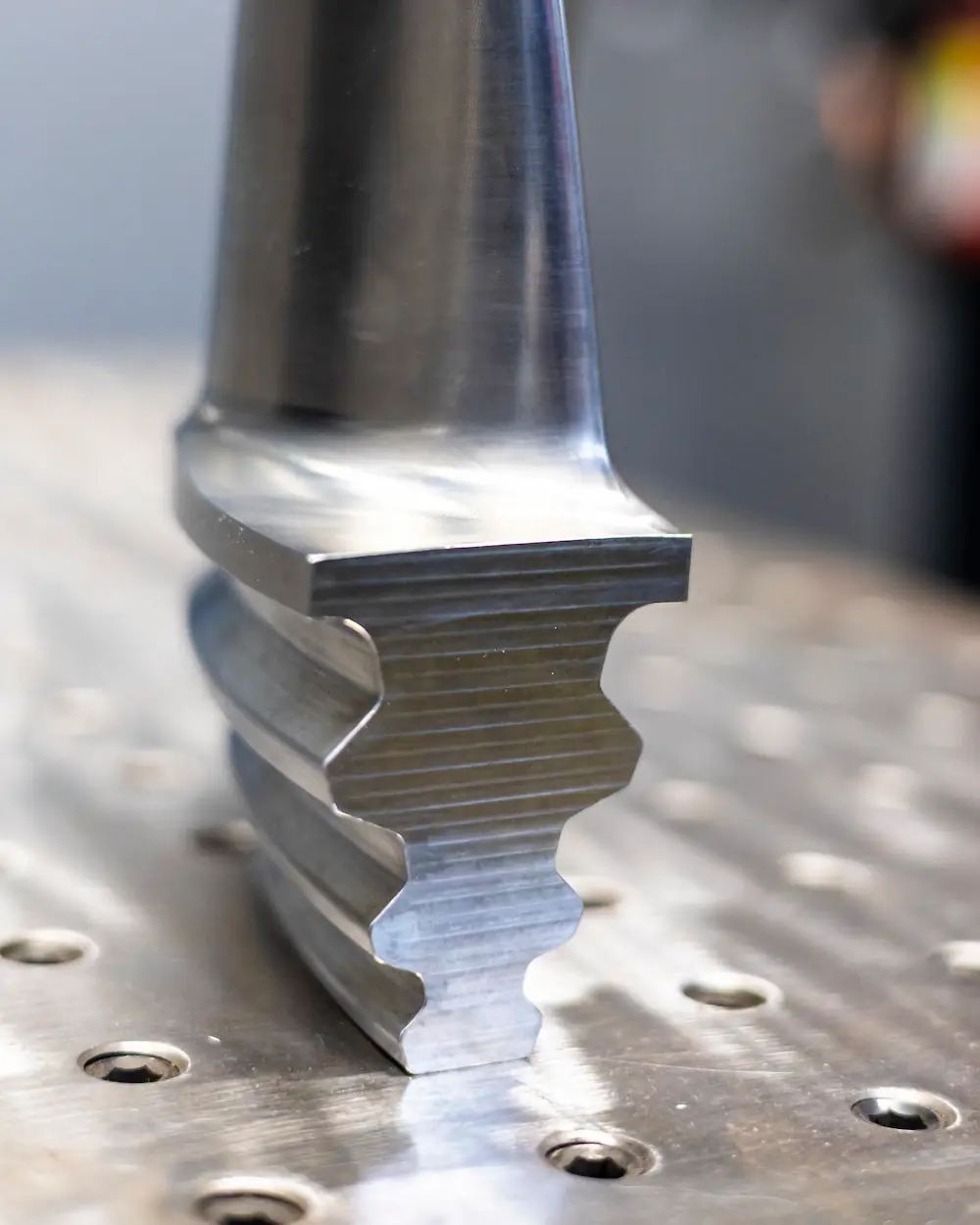
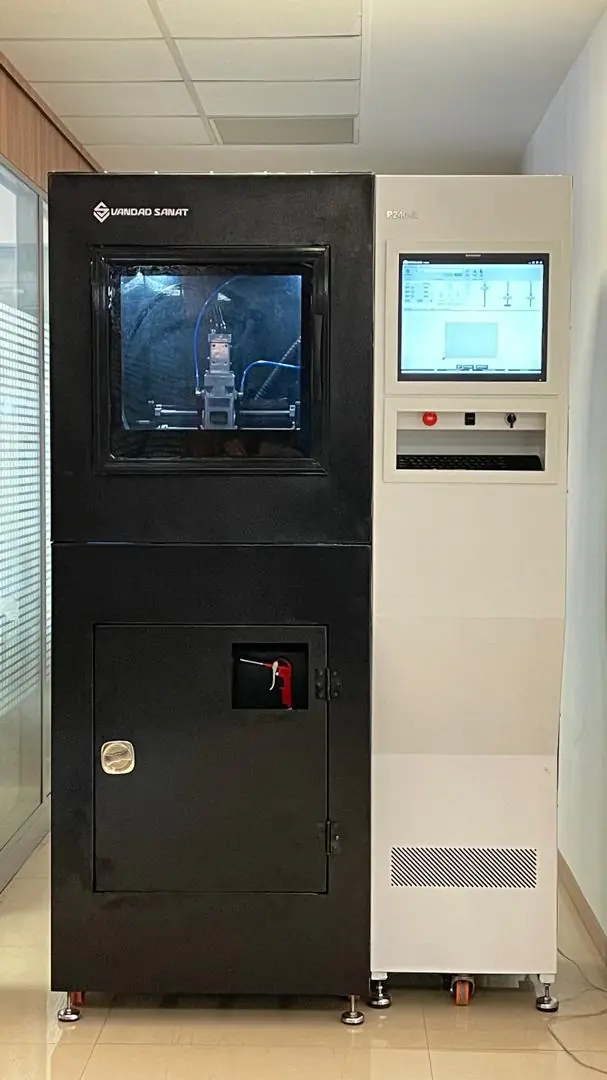
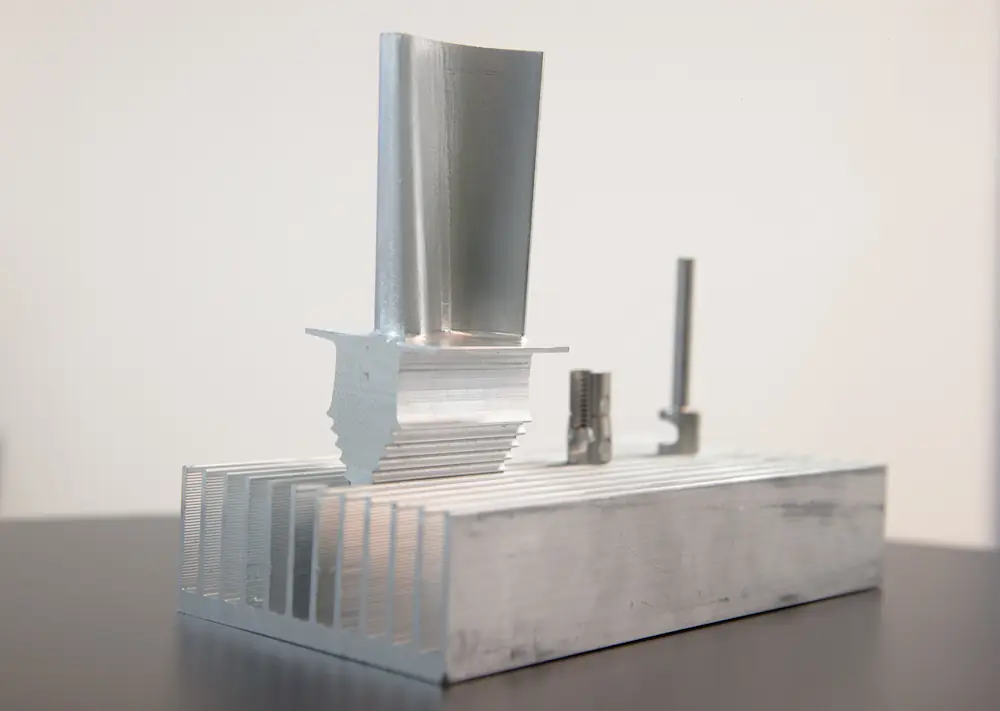
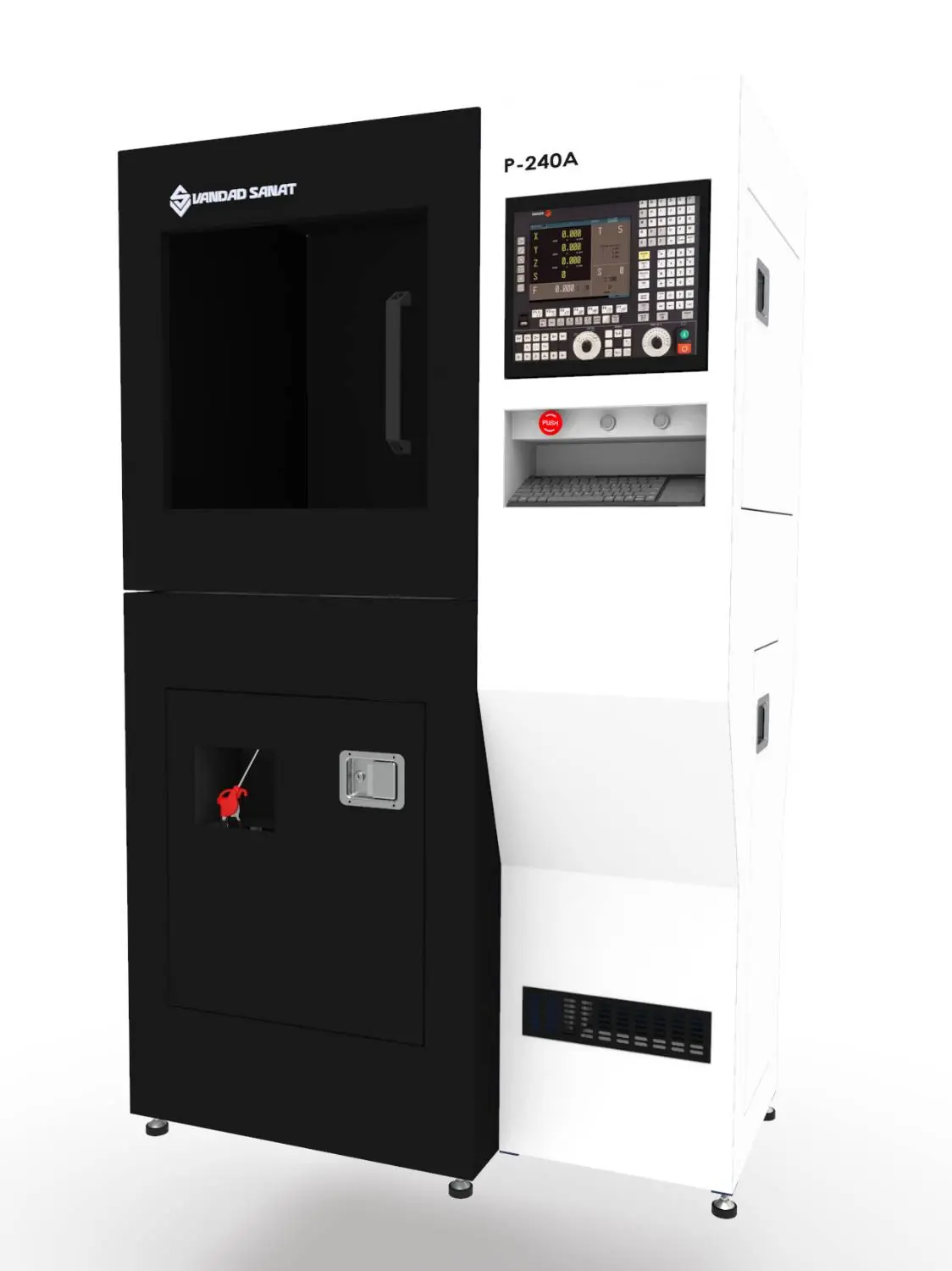
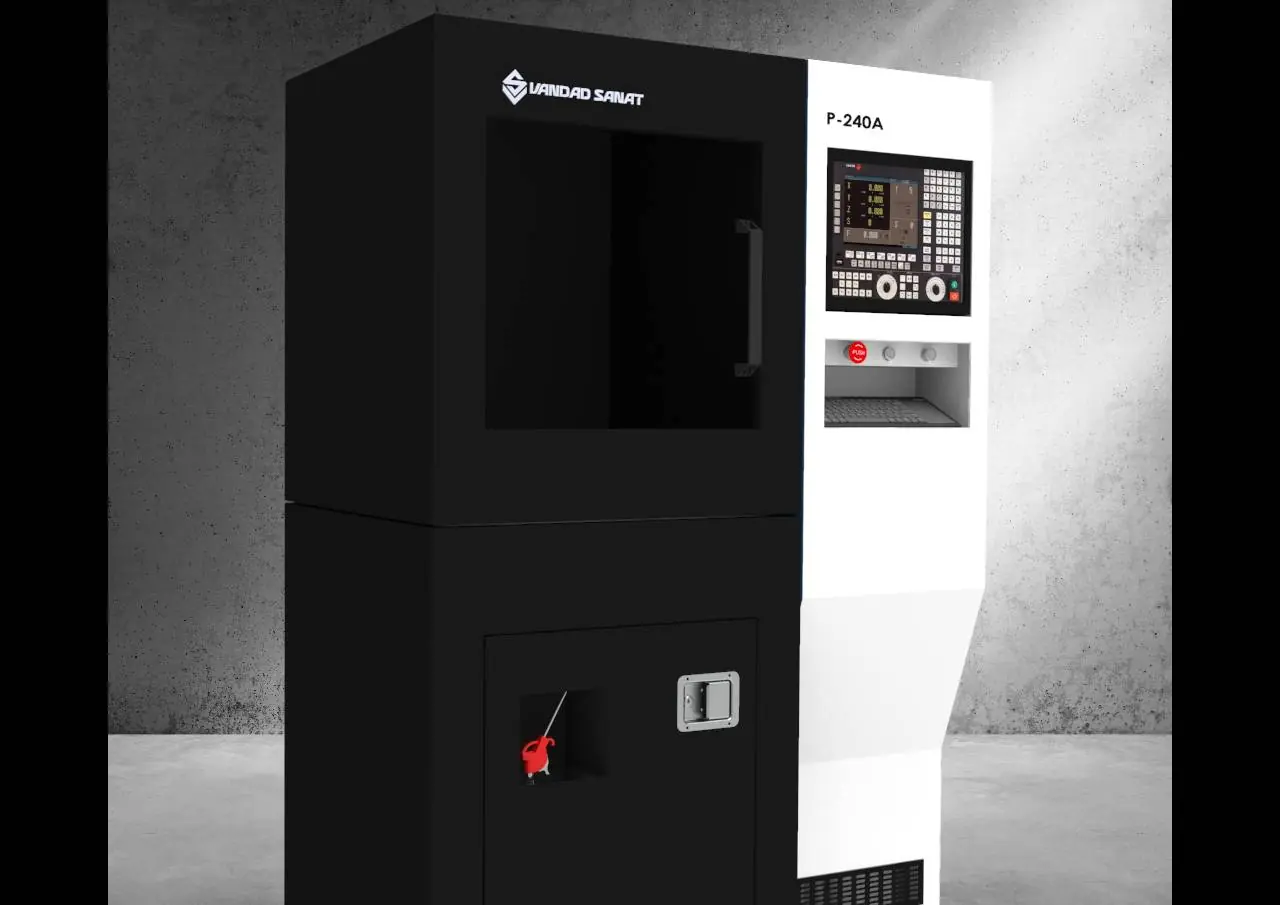
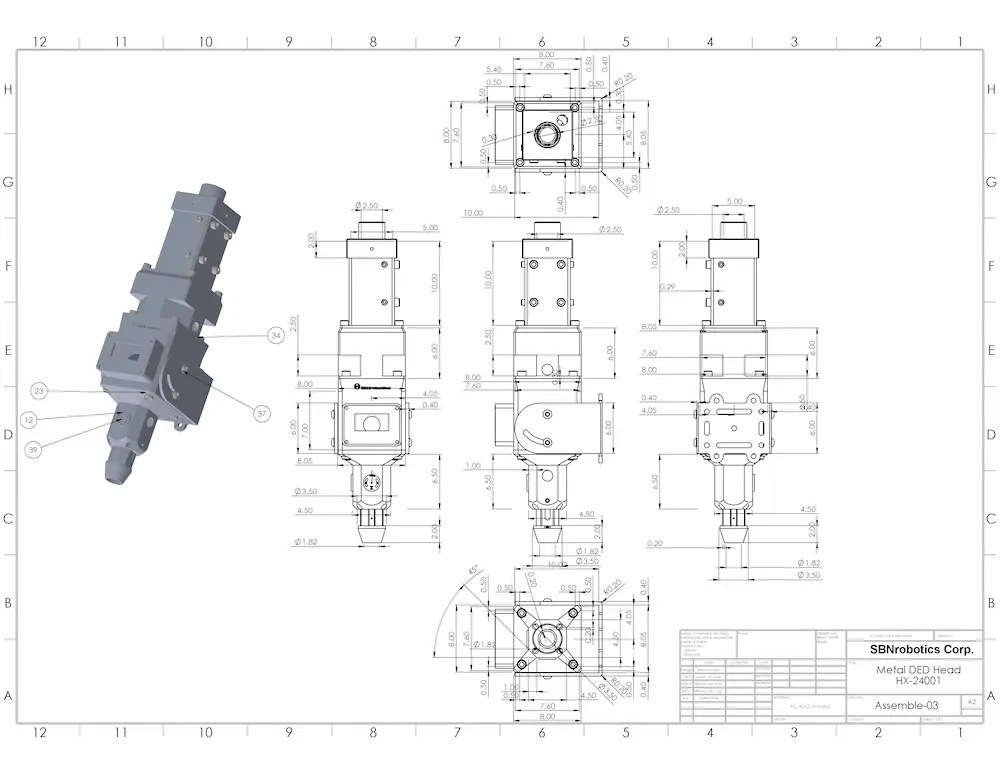
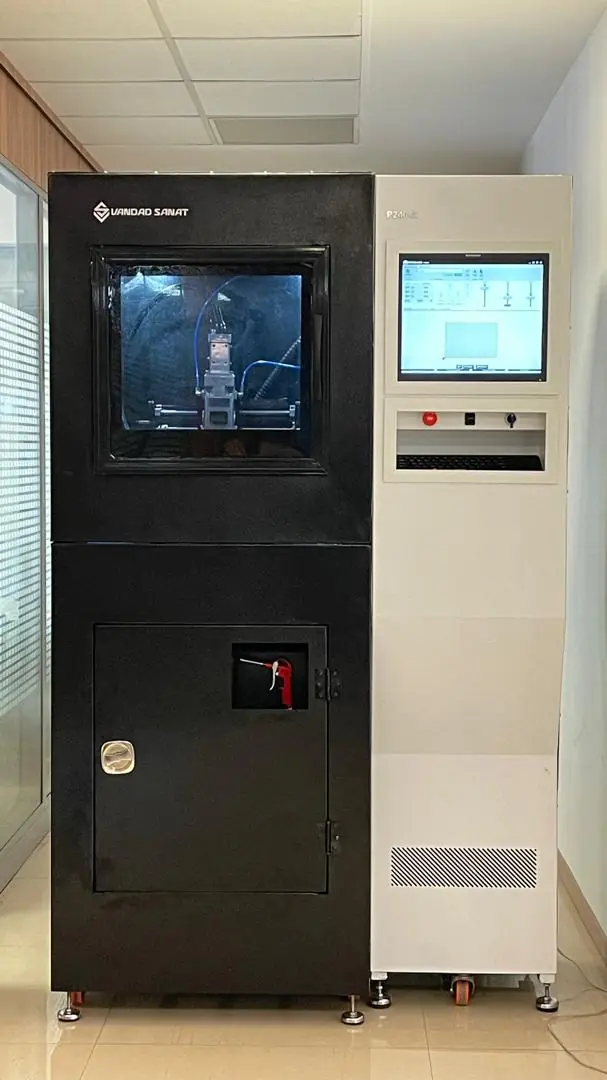
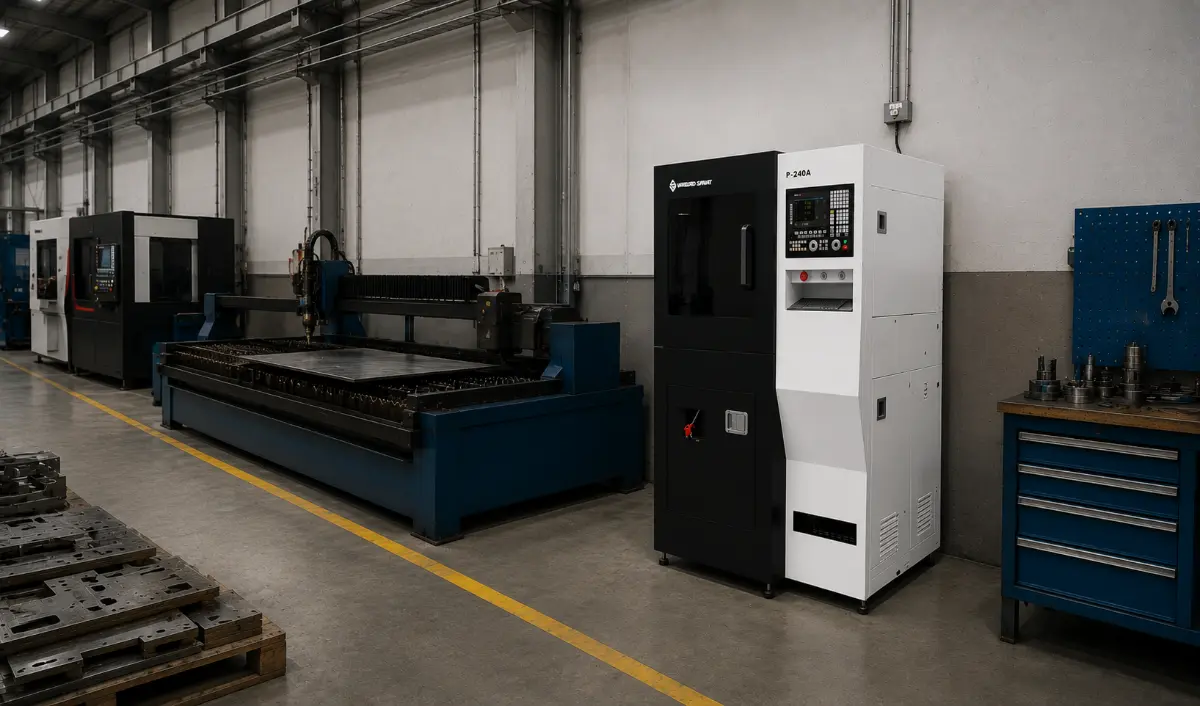
Introducing the DED P240-A metal 3D printer; an advanced solution for the oil, gas, and aerospace industries. Manufacturing complex parts with metal wire, increasing productivity, and reducing waste by industry leaders.
+3
1 / 7
More than 10 years of specialized experience in developing industrial technologies
Knowledge based company of Sanat Vandad metal 3D printer is the result of more than a decade of specialized activity, continuous industrial research and development in the field of complex and advanced technologies. In the process of developing this system, a set of technical experiences, engineering knowledge and real needs of industries have been put together to form a product with a completely industrial and operational approach.
During its years of activity, the eminent Vandad Sanat has gained extensive experience in designing and developing specialized equipment, executing industrial projects and implementing engineering solutions; an experience that can be seen today in the technical structure, performance stability and engineering precision of this device.
This metal 3D printer has been developed based on this specialized support to meet the needs of industries in the field of producing metal parts, renovating valuable parts and developing additive manufacturing technology. Vandad's focus in designing this system was to provide a solution that, in addition to utilizing modern technology, also provides continuous usability, operational reliability and adaptation to the needs of real projects from an industrial perspective.
Introducing the Metal 3D Printer
The development of metal additive manufacturing technology has become one of the most important needs of advanced industries in the world today. In this regard, the knowledge-based Namavaran Sanat Vandad Company, relying on more than a decade of specialized experience in the field of design and development of industrial equipment, has succeeded in designing and producing the first metal 3D printer based on wire and direct energy deposition (DED) technology in the Middle East; a system that has been developed with the aim of industrially producing metal parts, repairing valuable parts, and implementing advanced engineering processes.
This device operates based on Direct Energy Deposition technology; a process in which metal wire is continuously introduced into the molten zone and simultaneously deposited layer by layer on the part under the influence of an energy source.
Using metal wire instead of powder, in addition to increasing safety and reducing consumption costs, creates greater stability in the production process and enables industrial and continuous use of the system.
The structure of this technology is designed in such a way that the final parts have high density, desirable mechanical strength and reliable metallurgical quality. Also, the possibility of producing complex geometries, manufacturing large-scale parts, remanufacturing industrial parts and applying engineered coatings has made this system a practical option for advanced industries.
Vandad Metal 3D Printer is the result of a combination of technical knowledge, industrial experience and indigenous technology development in Iran; a product designed with an engineering and industrial approach to meet the real needs of industries in the field of metal additive manufacturing.
Technical Specifications of P240-A 3D Printer
Technical Specifications of P240-A 3D Printer
The P240-A model is designed with a focus on producing large-scale, high-quality metal parts. Combining high laser power, an optimal deposition rate, and support for a diverse range of metal materials, this machine becomes a reliable choice for heavy industrial applications.
Its engineered structure not only enhances process precision and stability but also enables continuous and optimized production under various working conditions.
Specification
Details
Build Dimensions
1150 × 800 × 2050 mm
Laser Power
2 kW
Laser Wavelength
1070 nm
Machine accuracy
5 microns
Laser Mode
Continuous / Pulsed
Consumable Material
Metal Wire (Stainless Steel, Titanium, Aluminum, Nickel)
Wire Diameter
0.6 to 3 mm
Deposition Rate
2 to 4 kg/hour
Control & Automation Systems Overview
1. Software Integration & Digital Workflow
This metal 3D printer streamlines the entire process from design to production through integrated CAD/CAM software. It is fully compatible with leading engineering tools such as AutoCAD and SolidWorks, allowing direct import of design files without the need for complex conversions. This results in a faster, more efficient workflow with minimal setup time.
2. Advanced Multi-Axis CNC Control System
At the core of the machine is a five-axis CNC control system capable of handling complex toolpaths and precise motion control. Powered by advanced algorithms, this system ensures high dimensional accuracy and superior surface quality in the final part.
3. Interactive Human-Machine Interface (HMI)
The system is operated and monitored through a 10-inch touchscreen display with an intuitive and user-friendly interface. Operators can easily monitor real-time parameters and make adjustments on the fly, improving control and reducing the risk of errors during production.
4. Automatic Wire Feeding System
Equipped with a high-precision automatic wire feeding mechanism, the system maintains consistent feed rate and material flow. This significantly reduces fluctuations and ensures a stable, uniform layer-by-layer deposition process.
5. High-Precision Motion System
The machine features a robust mechanical structure with high-precision X, Y, and Z axes capable of micron-level movements. This level of precision directly impacts dimensional tolerances and enhances the overall quality of the printed metal parts.
Industrial Applications & Solutions
The design and production of the famous metal 3D printer of the Vandad industry is based on technical, industrial and international requirements, and all stages of development, construction and evaluation of this system have been carried out in accordance with internationally recognized standards.
Compliance with these standards, in addition to ensuring quality and safety, reflects the engineering and industrial approach of the company in the development of metal additive manufacturing technology.
Quality Management System ISO 9001
The design, production and quality control process of the device has been implemented based on the requirements of the ISO 9001 standard. This standard indicates the existence of a coherent and assessable quality management system in all stages of production and guarantees that products are produced with stable quality, high manufacturing accuracy and controlled processes.
Safety and International Requirements CE Europe
Receiving the CE European mark indicates that the device has been designed and manufactured in accordance with the safety, health and technical standards of the European Union. This certificate confirms the full compliance of the system with international standards for industrial equipment safety and provides a high level of safety for the operator and the working environment.
Mechanical Engineering Standards ASME
The requirements of ASME standards have been met in the mechanical design and engineering structure of the device. These standards ensure that the mechanical components, stressed structures and industrial design of the system have sufficient strength, stability and safety for continuous and heavy industrial working conditions.
Material Testing and Evaluation Standards ASTM
The evaluation process of materials and manufactured parts is also carried out based on ASTM standards. These standards provide precise criteria for examining mechanical properties, metallurgical quality, material structure and specialized test results, ensuring that the final parts comply with internationally recognized standards in the field of materials and construction.
Certifications & Product Standards
1. Quality Management System (ISO 9001)
The system is certified under ISO 9001, reflecting a structured and consistent quality management process across design and manufacturing. This standard ensures that every unit is produced with high precision and reliability, while all quality control processes are continuously monitored and improved.
2. Safety & Compliance (CE – Europe)
The CE marking indicates full compliance with strict European Union standards for safety, health, and environmental protection. This certification guarantees operator safety during operation and confirms that the system meets international safety regulations.
3. Mechanical Engineering Standards (ASME)
The machine is designed and built in accordance with ASME (American Society of Mechanical Engineers) standards. This ensures that the structural integrity, pressure design, and mechanical performance are fully suitable for demanding industrial environments.
4. Testing & Material Standards (ASTM)
The system complies with ASTM (American Society for Testing and Materials) standards for material testing and validation of printed parts. This guarantees that the final components meet global benchmarks in terms of microstructure, mechanical properties, and material purity.
Key Features & Advantages
1. Micron-Level Precision & Superior Surface Quality
Utilizing an advanced fiber laser source combined with precise thermal control, the system enables production of parts with extremely tight tolerances and smooth surface finishes. This level of accuracy significantly reduces the need for secondary machining and ensures high-quality output for critical applications.
2. Material Flexibility
The system supports a wide range of metal wires, including stainless steel, titanium, Inconel, and aluminum. This flexibility makes it suitable for various industries such as aerospace, automotive, medical, and heavy industrial manufacturing.
3. High Deposition Rate & Increased Productivity
With a high deposition rate, the system dramatically reduces production time for large and complex components. Faster production directly translates into lower operational costs and higher efficiency in manufacturing workflows.
4. Real-Time Monitoring & Control
Equipped with advanced sensors and closed-loop feedback systems, operators can monitor and adjust key process parameters such as temperature, speed, and position in real time. This minimizes human error and ensures consistent quality throughout the printing process.
The intuitive user interface, combined with full CAD/CAM integration, simplifies operation and shortens the learning curve. Seamless transfer of design files into the system reduces setup time and eliminates input errors, making the production process more efficient and reliable.
Technologies Used in the System
This metal 3D printer is built on advanced DED (Directed Energy Deposition) technology — a cutting-edge additive manufacturing method that combines a focused energy source with simultaneous material feeding to produce high-precision metal parts with superior mechanical properties.
Why DED Technology is a Smart Choice
DED is not just a manufacturing method — it is a strategic solution that overcomes the limitations of traditional production. It delivers significant advantages for modern industries:
1. Speed & Cost Efficiency
By eliminating time-consuming steps such as tooling and heavy machining, DED drastically reduces time-to-market. Near-net-shape production minimizes post-processing, leading to lower overall manufacturing costs.
2. Design Freedom
DED enables engineers to produce geometries that are impossible or extremely expensive with traditional methods. From complex internal channels to freeform surfaces, design constraints are significantly reduced.
3. Maximum Material Efficiency (Near Zero Waste)
Unlike subtractive manufacturing, where a large portion of material is wasted, DED adds material only where needed—especially in wire-based systems.
This results in:
Significant reduction in material waste
Lower cost for expensive alloys such as titanium and Inconel
A more sustainable and environmentally friendly production process
Impact Across Industries
This technology plays a critical role in advancing some of the world’s most strategic industries:
Aerospace : Enables the production of engine and structural components using high-performance alloys that significantly reduce weight while maintaining exceptional strength. These parts offer enhanced resistance to extreme temperatures and pressure, pushing the limits of aerospace engineering.
Medical : Allows the production of fully customized implants—such as orthopedic and dental components—precisely tailored to each patient’s anatomy. This level of personalization is not achievable with traditional mass-production methods, leading to better clinical outcomes and faster recovery.
Oil & Gas : Designed for manufacturing components that operate under severe conditions, including high pressure, extreme heat, and corrosive environments. These parts improve equipment durability, reduce maintenance frequency, and significantly minimize costly downtime.
Automotive : Supports the production of lightweight, high-strength components for performance vehicles and electric mobility. This leads to improved fuel efficiency, enhanced safety, and the ability to rapidly produce both mass and customized parts.
1. Focused Energy Source
At the core of the DED process is a high-power energy source used to instantly melt the material at the melt pool. Depending on application requirements, the system can utilize:
Laser: The most commonly used option. Fiber, diode, or CO₂ lasers provide highly precise and localized melting.
Electron Beam: Operates in a vacuum environment, ideal for oxidation-sensitive materials.
Plasma Arc: A high-energy electric arc suitable for large-scale components and heavy-duty applications.
2. Material Versatility
The system supports multiple feedstock formats, offering high flexibility in material selection. Materials can be supplied as metal powder or wire, depending on the application.
Commonly supported alloys include:
Stainless steels
Titanium alloys
Aluminum and Aluminum-Lithium alloys
Nickel-based alloys (such as Inconel)
3. Intelligent Feedstock Delivery System
The feed system ensures precise and stable delivery of material into the melt pool:
Powder Feeding: Metal powder is delivered through a nozzle using carrier gases such as argon or nitrogen.
Wire Feeding: Metal wire is continuously fed with controlled speed and directly melted. This method typically provides higher deposition rates and better material efficiency.
4. Multi-Axis Motion System
The machine is equipped with an advanced multi-axis motion platform, typically a 5-axis system (X, Y, Z + rotational axes). This allows the nozzle or workpiece to move dynamically in multiple directions, enabling the production of complex geometries with minimal need for support structures.
5. Real-Time Monitoring & Quality Control
To ensure consistent quality and minimize defects, the system incorporates advanced closed-loop control mechanisms:
Temperature Sensors: For precise melt pool thermal control and defect prevention
Thermal Cameras: To monitor heat distribution across the part surface
Vision & Laser Systems: For layer inspection and automatic adjustment of process parameters in real time
Conclusion
DED-based metal 3D printing is more than just a manufacturing tool—it represents a fundamental shift in how metal components are designed and produced. By removing the limitations of traditional methods, this technology enables faster, more precise, and cost-efficient production while elevating the overall quality and mechanical performance of parts.
In an environment where industries demand higher efficiency, lower costs, and greater flexibility, adopting this technology is a forward-looking and strategic decision. The ability to manufacture complex geometries, minimize material waste, and optimize production time turns this system into a true competitive advantage.
At NamAvaran Sanat Vandad, as a knowledge-based company, our focus is on delivering solutions that are not only technologically advanced but also practically effective. This system reflects our commitment to enhancing productivity, improving quality, and supporting industrial independence through advanced manufacturing technologies.
نظرات
0 نظر
محصولات
چاپگر سه بعدی فلزی
معرفی پرینتر سهبعدی فلزات DED مدل P240-A؛ راهکاری پیشرفته برای صنایع نفت، گاز و هوافضا. ساخت قطعات پیچیده با وایر فلزی، افزایش بهرهوری و کاهش ضایعات توسط نامآوران صنعت ونداد.




نظرات
0 نظر